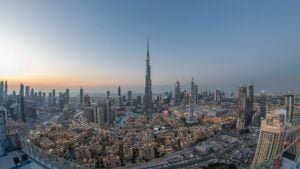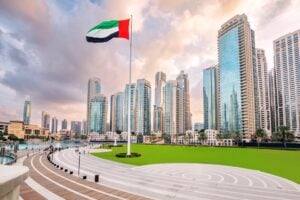

Dubai’s property market has been the talk of global investors for years. With its skyline constantly evolving and new luxury developments popping up, the question remains: is Dubai real estate investment still a smart, sustainable choice for the coming years? Let’s take a deep dive into what’s shaping the market and why investors continue to place their trust in Dubai.
The 2025–2026 Dubai Real Estate Landscape
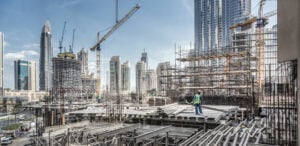
Dubai’s real estate sector continues its upward trajectory, with prices and rental yields rising across prime areas. In 2025, the market saw a surge in both sales and rentals, driven by a combination of population growth, favorable migration policies, and a shortage of luxury properties. Investors are increasingly turning to off-plan properties and flexible payment plans, which offer early entry into high-growth projects.
Prime locations such as Emaar Beachfront, Palm Jumeirah, and Dubai Hills Estate remain in high demand, with international buyers—especially from Europe, India, and Russia—fueling the luxury segment. Meanwhile, mid-market communities like Jumeirah Village Circle and Dubai South are attracting first-time buyers and long-term residents seeking value and affordability.
Sustainability in Dubai’s Real Estate Market
Sustainability is no longer just a buzzword; it’s a core factor in the resilience of Dubai’s real estate market. Green-certified buildings and eco-friendly developments are delivering up to 40% higher ROI compared to traditional properties. These sustainable projects not only command rental premiums of 6–9% but also offer lower operating costs and higher occupancy rates.
The Dubai government’s commitment to sustainability is evident in its 2040 Urban Master Plan and Dubai Clean Energy Strategy 2050, which mandate energy efficiency and environmental standards for all new developments. This regulatory framework ensures that properties are future-proof and protected from the risk of obsolescence, making Dubai real estate investment a safer bet for long-term growth.
Market Maturity and Selective Growth
The Dubai market is maturing, with growth becoming more selective and segmented. While luxury villas and waterfront properties are expected to outperform, apartments are entering a phase of stabilization. Experts predict that in 2026, the market will no longer be a “rising tide” lifting all assets equally; instead, performance will depend on asset type, location, and developer reputation.
This maturity means investors need to be more strategic. Off-plan projects from reputable developers remain attractive for those seeking capital appreciation and flexible payment options, while the secondary market appeals to those prioritizing immediate rental income and lower risk. The market’s fragmentation also means there are opportunities across different price points and property types.
Drivers of Long-Term Demand
Dubai’s real estate market is underpinned by strong fundamentals. Population growth, economic diversification, and robust foreign investment incentives continue to support demand. The city’s cash-based market, lack of property taxes, and global connectivity make it a safe haven for investors.
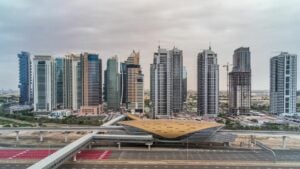
Infrastructure expansion, such as the Dubai Metro Route 2020 extension and new transport initiatives, is also driving growth in emerging districts. These improvements not only enhance lifestyle but also increase property values in connected areas.
The Role of Green and Smart Developments
Sustainable and smart developments are reshaping Dubai’s real estate sector. Projects like Dubai Sustainable City and Sharjah Sustainable City are setting new benchmarks for eco-friendly living, offering residents lower utility costs and a higher quality of life. Developers are increasingly integrating green technologies and smart home features into new projects, making them more attractive to environmentally conscious buyers and investors.
These innovations are not just about environmental responsibility—they also translate into tangible financial benefits. Properties with green certifications appreciate faster, have higher occupancy rates, and command premium rents. As energy costs rise and environmental regulations tighten globally, sustainable properties are poised to maintain their competitive edge.
Risks and Considerations
While the outlook is positive, investors should remain mindful of potential risks. Interest rate fluctuations, overambitious project launches, and economic uncertainty in key investor regions could impact demand. However, Dubai’s proactive regulatory environment and diversified buyer base help mitigate these risks.
Experts anticipate a moderate correction in Dubai’s property market in the second half of 2025, as new unit supply outpaces population growth. However, prime areas are expected to remain resilient due to their desirability and limited supply. The market’s transition to a more mature phase signals stability rather than a crash, with long-term demand supported by ongoing population growth and economic diversification.
Dubai Real Estate Investment: The Verdict
So, is Dubai real estate investment still sustainable in 2025–2026? The evidence suggests it is. The market’s combination of strong fundamentals, regulatory oversight, and a shift toward sustainability ensures long-term resilience. While growth may moderate and become more selective, the opportunities for strategic investors remain robust.
For those considering entry into the Dubai market, focus on quality developments, reputable developers, and sustainable projects. With careful planning and informed decision-making, Dubai real estate investment continues to offer attractive returns and a stable foundation for wealth creation.