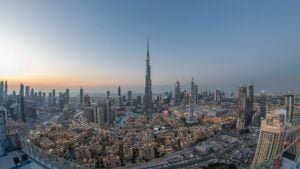

Dubai’s newest expansion move—the DIFC extension—is redefining the city’s financial and property landscape. As the global market continues to take notice of Dubai’s bold economic initiatives, investors are now asking a pressing question: Will the DIFC extension lift Dubai real estate investment prices?
To understand the answer, we’ll explore what this expansion means, its link to investor confidence, and how it could propel property values in both commercial and residential sectors.
What Is the DIFC Extension and Why Does It Matter?
The Dubai International Financial Centre (DIFC) has long been recognized as the financial heart of the Middle East. Home to international banks, asset managers, and fintech innovators, it’s more than just a business hub—it’s a symbol of Dubai’s position as a global financial powerhouse.
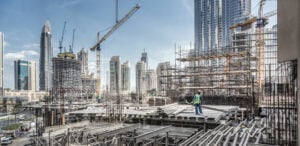
In 2023, DIFC unveiled a massive expansion plan covering over 660,000 square meters, designed to accommodate a new generation of finance, technology, and innovation businesses. This new zone—often referred to as DIFC Innovation Two—includes commercial towers, residential apartments, retail zones, green spaces, and hospitality components, all engineered to attract both global corporations and talent.
For property investors, this means one thing: a new wave of demand is coming.
Setting the Stage: Dubai’s Economic Ecosystem
Before diving into the impact, it’s essential to see how Dubai’s economy sets the tone for real estate growth. Over the last decade, Dubai diversified its economy, reducing dependence on oil to below 1% of its GDP. The emirate’s focus on finance, tourism, trade, and innovation has fostered a consistently growing real estate market.
DIFC is at the center of this transformation, serving as the nucleus for global capital inflows. The extension cements this position further, ensuring that finance and real estate continue to move in tandem.
Why the DIFC Extension Is a Game Changer for Property Investors
The DIFC extension is more than a construction project—it’s an ecosystem shift. Here’s how each element contributes to potential price appreciation and wider Dubai real estate investment appeal:
-
Commercial Real Estate Demand
Major corporations—especially global financial firms—are drawn to DIFC for its regulatory stability and location advantages. With new office towers being added, anchor tenants will drive value for premium office spaces not only within the district but also in adjacent areas like Business Bay and Downtown Dubai. -
Residential Value Growth
High-income professionals working in or near DIFC prefer to live close to work. As a result, demand for luxury apartments in DIFC, Downtown, and City Walk is set to rise. Developers expect a stronger rental yield environment as corporate housing needs increase. -
Retail and Lifestyle Boost
A modern financial center isn’t just about offices—it’s about lifestyle integration. The DIFC extension includes retail, dining, and leisure offerings that make it a destination for both residents and tourists. This combination creates steady foot traffic and elevates the value of surrounding retail properties. -
Smart City and Sustainability Appeal
Dubai’s innovation plan aligns with DIFC’s vision to create one of the most technologically advanced business districts. Smart mobility, green architecture, and digital infrastructure will enhance the district’s global desirability, indirectly boosting property attractiveness.
Market Confidence: The Invisible Price Driver
One often-overlooked factor behind rising property prices is investor sentiment. When global investors perceive an area as stable, dynamic, and future-ready, capital flows naturally—and prices follow. The DIFC extension carries exactly that signal.
Since the announcement, developers and real estate consultants report increased investor inquiries targeting DIFC-proximate areas. Buyers understand the “halo effect”—when major infrastructure and policy projects lift surrounding property values, even outside the immediate zone.
Comparing DIFC to Global Financial Hubs
Let’s put this expansion into an international context. Global financial hubs such as London’s Canary Wharf, New York’s Hudson Yards, and Singapore’s Marina Bay saw similar phenomena:
-
New commercial infrastructure spurred residential and retail growth.
-
Property values appreciated steadily as multinational firms relocated nearby.
-
Investor demand for mixed-use communities surged, blending work and lifestyle.
Dubai’s DIFC extension appears to be following the same pattern—coupled with tax advantages and a strong visa framework that foreign investors often find attractive.
A Look at the Numbers: DIFC and Property Value Trends
Although the DIFC extension is still under phased development, the market already showcases early signs of momentum:
-
Office Spaces: Premium office rents in DIFC have climbed by 15–20% over the last 12 months due to supply limitations. The new extension could help meet demand, but top-tier buildings are expected to retain their premium pricing.
-
Residential Units: Average apartment values in DIFC increased approximately 10% year-on-year, driven by high-end investor demand.
-
Secondary Market: Properties in adjacent areas like Downtown Dubai and Business Bay experienced renewed investor interest due to expected spillover demand.
The Innovation Factor: Attracting Global Tech and Fintech Firms
One of the DIFC extension’s most exciting features is its focus on innovation and technology. The DIFC Innovation Hub already hosts over 700 fintech and innovation firms, and the extension aims to triple that number.
The presence of these high-growth industries attracts a new investor demographic—tech-savvy professionals seeking premium rental properties, co-working spaces, and integrated live-work environments. This influx diversifies Dubai’s real estate buyer base beyond traditional investors, introducing long-term sustainability to the market.
Government Support and Strategic Vision
Dubai’s leadership plays a central role in shaping investor confidence. The DIFC expansion aligns perfectly with Dubai’s Economic Agenda D33, which targets doubling the emirate’s GDP over the next decade.
This agenda prioritizes knowledge-based sectors, global trade, and financial innovation—all pillars that feed directly into the DIFC’s mission. Hence, government backing ensures consistent policy support, long-term stability, and continuous demand for nearby real estate assets.
How the DIFC Extension Benefits Different Investor Types
The opportunities emerging from the DIFC expansion vary based on each investor’s profile.
-
Individual Property Investors: Those eyeing luxury apartments near DIFC can anticipate high rental yields from professionals working in the finance and tech sectors.
-
Institutional Investors: Funds and corporates investing in commercial real estate stand to benefit from long-term tenancy stability due to multinational demand.
-
Developers: With the DIFC extension sparking new community developments, developers gain from early land acquisitions and mixed-use project approvals.
Each segment benefits from the same macro drivers—economic confidence, infrastructure growth, and high-end tenant demand.
Risks and Considerations
While the overall outlook is bullish, investors should stay aware of a few potential risks:
-
Possible Supply Glut in Office Spaces: Rapid development could temporarily create excess capacity, though long-term demand will likely absorb it.
-
Higher Entry Costs: As the DIFC area matures, acquisition costs might rise, limiting options for smaller investors.
-
Global Economic Fluctuations: Interest rate environments and global financial trends could influence short-term investor behavior.
Prudent investors should balance enthusiasm with diversification—combining DIFC assets with emerging Dubai submarkets such as Dubai Creek Harbour or Dubai South to hedge risk.
The Broader Impact: DIFC as a Real Estate Catalyst
DIFC’s geographic location places it at the crossroads of Dubai’s most vibrant zones. The ripple effect of this extension will likely touch:
-
Downtown Dubai: Reinforcing its status as a premium living and retail district.
-
Business Bay: Increasing its corporate and residential appeal.
-
City Walk and Al Wasl: Attracting younger professionals and tenants seeking a balance between work and lifestyle.
As these neighborhoods evolve, the interconnected ecosystem strengthens overall investor confidence, driving collective market appreciation.
Will the DIFC Extension Lift Dubai Real Estate Prices?
All indicators point to yes. The DIFC extension is not just expanding commercial capacity—it’s amplifying Dubai’s brand as a global investment magnet.
With increased employment opportunities, international visibility, lifestyle advancements, and sustained government support, real estate prices in and around DIFC are poised for continued growth. While market corrections and external factors are always possible, the strategic foundation of DIFC ensures long-term upward momentum.
For investors seeking stability, appreciation, and prestige, few opportunities match the appeal of Dubai real estate investment within or near the DIFC extension.
Final Thoughts
The DIFC extension represents more than development—it’s an evolution of Dubai’s global narrative. By merging finance, innovation, technology, and luxury living, Dubai is reinforcing its reputation as a world-class destination for both business and lifestyle.
For investors, the message is clear: follow the vision, not just the skyline. The DIFC expansion is creating real, measurable value, and those who invest early stand to reap the rewards of Dubai’s next financial frontier.