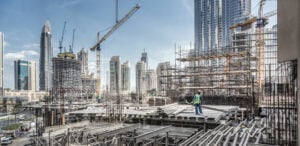

Dubai’s real estate market has long been a magnet for investors around the world. Its futuristic skyline, tax‑free ownership benefits, and strong rental yields make it one of the most appealing property investment destinations globally. Yet, as mortgage and financing options expand, many investors wonder — is financing a Dubai real estate investment a smart strategy or a risky decision?
Let’s unpack that question step by step.
Understanding the Financing Landscape in Dubai
Dubai’s property market has matured significantly over the past decade. Earlier, most buyers paid cash, but today, a sophisticated mortgage system is firmly in place. Local and international banks such as Emirates NBD, Mashreq, and HSBC now offer financing solutions for both residents and expatriates.
Typically, expats are eligible for loan‑to‑value ratios of about 75–80%, while UAE nationals can go up to around 85%, depending on the property type and buyer profile. Interest rates vary by lender, but the trend toward competitive and transparent financing has opened new opportunities for investors who wish to build their portfolio without paying the full amount upfront.
Learn more about Dubai Land Department’s financing regulations
Why Financing Can Be Smart
Financing is not inherently risky — in fact, if used wisely, it can dramatically improve your earning potential and help you grow your Dubai real estate investment portfolio faster. Here’s how.
-
Leverage to Multiply Returns
By using a mortgage, investors can buy multiple properties instead of just one. For example, with AED 1 million in hand, you could make 25% down payments on several AED 1M properties, spreading your exposure. If the value of each property rises by 10%, your total returns are amplified versus buying a single apartment outright. This approach — called leverage — can build wealth faster when markets are stable.
-
Better Liquidity and Diversification
Financing lets you hold onto more of your cash, which means you can diversify. Instead of locking all your capital into one asset, you can balance between real estate, stocks, or other investments, staying flexible enough to seize new opportunities.
-
Protection from Inflation
Over the long term, your mortgage rate remains mostly fixed while property values and rental prices climb. The result? Your real borrowing cost decreases as time passes, giving you stronger long-term profitability and stability.
-
Higher Return on Equity (ROE)
When you invest through financing, your cash outlay is smaller but your income potential remains significant. As a result, your return on the actual money you invested — your “equity” — often becomes much higher than if you had bought the property fully in cash.
Why Financing Can Be Risky
With opportunity often comes risk, and financing is no different. Here are the primary risks you should evaluate carefully.
-
Rising Interest Rates
Dubai mortgage rates are tied to the Emirates Interbank Offered Rate (EIBOR). If global interest rates rise, your repayments could increase. For example, a shift from 3% to 5% can significantly reduce your rental margins. Many investors prefer fixed-rate mortgages for more predictable payment schedules.
-
Market Fluctuations
Like any real estate market, Dubai experiences cycles. During downturns, property prices can temporarily drop, leading to negative equity — when your loan balance exceeds your property’s current value. While Dubai’s fundamentals remain strong, short-term investors should plan for these market swings.
-
Unstable Rental Income
Most investors rely on rental income to cover their mortgage payments. Unexpected vacancies, delayed payments, or market corrections can strain your cash flow. Setting aside three to six months of mortgage reserves is a smart safety net.
-
Long-Term Financial Commitment
Mortgages in the UAE often stretch over 20–25 years. If your income changes, or you face unexpected personal circumstances, keeping up with payments can become difficult. Failing to meet repayment obligations may result in legal and financial complications. Financing makes sense when you have a steady, sustainable income and a clear plan for long-term property management.
Cash Purchase or Financing — Which Is Better?
Whether you should buy in cash or finance depends entirely on your goals and risk appetite. A cash buyer enjoys full ownership from day one, fewer administrative steps, and no monthly payments. It’s a simpler and safer route, especially for those who prefer guaranteed returns and no debt exposure.
A financed buyer, on the other hand, can scale faster, buy multiple units, and achieve higher ROI through leverage. However, they accept higher short‑term risk and must manage interest rate fluctuations and repayment schedules responsibly.
If you prefer peace of mind and freedom from loans, paying in cash may suit you. But if your priority is growing wealth efficiently while maintaining liquidity, smart financing offers more potential rewards.
The Role of Regulation: A Safer Playing Field
Dubai’s government continues to strengthen investor confidence by enhancing transparency, digital accessibility, and financial regulation. Agencies like the Dubai Land Department (DLD) and the Real Estate Regulatory Agency (RERA) enforce structured rules to protect property buyers and lenders alike.
Mortgage regulations have evolved to prevent over-borrowing, escrow laws protect off‑plan investors by ensuring funds go directly toward construction, and digital property registration has drastically improved ownership verification.
This framework keeps Dubai’s real estate ecosystem healthy and reliable — key to sustaining financing confidence across local and international investors.
Financing Smartly: Practical Tips for Investors
If you decide that financing is your path forward, here are expert guidelines to make your Dubai real estate investment both profitable and sustainable.
-
Compare multiple mortgage offers. Don’t settle for the first deal offered. Each bank differs in rates, processing fees, and repayment flexibility.
-
Prioritize fixed-rate plans if you expect interest rates to rise; they offer stability for long-term budgeting.
-
Avoid over-leverage. Keep your total debt payments below 40–45% of your monthly income so your finances remain comfortable even if your rental income dips.
-
Create a reserve fund. Save at least three months’ worth of mortgage payments to guard against any interruptions like tenant turnover or maintenance delays.
-
Buy from reputable developers in strong communities such as Downtown Dubai, Business Bay, Dubai Hills Estate, or Dubai Marina. Reliable developers and prime locations maintain better resale and rental values, reducing long-term risk.
-
Work with a qualified mortgage advisor. They can align your financing structure with your cash flow needs and investment goals.
See available Dubai property listings
Financing Off-Plan Properties: An Emerging Trend
Off-plan developments — properties still under construction — are another financing route growing quickly in Dubai. Developers frequently offer flexible, interest-free installment plans, sometimes extending post-handover payment options for up to five years.
This is popular among international investors who prefer developer-backed payment plans over traditional bank loans. Lower entry costs and high future appreciation potential make off-plan properties attractive, particularly in high-growth communities.
Still, investors should carefully assess the developer’s track record, confirm escrow account protection, and read the payment schedule fine print. Selling before handover sometimes has restrictions, so smart buyers verify resale flexibility early on.
When executed thoughtfully, off-plan financing is an excellent way to start a Dubai real estate investment journey while maintaining manageable costs.
The Road Ahead: A More Sophisticated Market
Dubai’s real estate market has matured beyond short-term speculation. Long-term economic growth, future-ready infrastructure, and policies encouraging permanent residency have attracted stable, professional investor profiles.
Financial institutions are also modernizing their approach. Many UAE banks now offer digital mortgage pre-approvals, AI-based credit assessments, and tailored packages for overseas buyers. These innovations simplify financing and make Dubai’s real estate sector more accessible than ever before.
With Expo City developments, the new economic zones, and continuous population growth, property demand remains strong — but success still depends on how wisely you use borrowing power.
So, Smart or Risky?
Financing a Dubai real estate investment is both an opportunity and a responsibility.
It’s smart when leveraged systematically — when you have a clear repayment plan, diverse income streams, and awareness of market cycles. But it turns risky if used impulsively, without sufficient reserves or financial discipline.
In essence, smart financing transforms good investors into great ones by turning limited capital into a diversified property portfolio. The key is preparation: know your risk limits, monitor the market, and treat financing as a growth strategy, not a shortcut.
As Dubai continues to expand as a global hub for business and investment, thoughtful financing has never been more powerful — or more essential — in unlocking true wealth creation.