
For most people, headlines about “120,000 new homes in 2026” sound like a classic oversupply story. For serious investors, those same headlines signal something different: timing, scarcity, and upside in Dubai real estate investment.
On paper, the market looks flooded. In reality, when you match scheduled handovers against realistic delivery rates, population growth, and true end‑user demand, you see a structural supply‑deficit forming in specific asset classes and price bands. That gap is exactly where the smartest capital is positioning itself right now.
The 120,000‑Unit Promise vs. 50–55% Reality
Several forecasts expect around 120,000 new residential units to be scheduled for delivery in Dubai during 2026, heavily weighted toward apartments, with a smaller share of villas and townhouses. But scheduled and delivered are not the same thing.
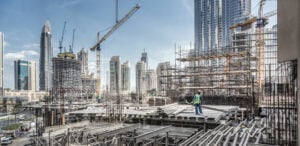
Historical completion data shows that only about half to roughly 55% of planned supply actually hands over within the target year, with the balance pushed into subsequent years. That implies a more realistic figure in the 60,000–70,000 units range entering the market in 2026, rather than the full 120,000.
At the same time, Dubai added over 200,000+ residents in 2025, translating into demand for around 60,000–70,000 new homes per year just to house new arrivals, before you even factor in upgrade demand and investor purchases. When you place those two lines on a chart—realistic deliveries vs. structural demand—the “oversupply” story starts to flip.
Where the Real Supply‑Deficit Is Hiding
The market is not short of marketing brochures or launch events. What it is short of are the types of properties that end‑users and long‑term tenants actually want and can afford. The deficit hides in three key zones:
- Mid‑market, end‑user apartments
-
-
- Price band roughly AED 1M–2M.
- High concentration of genuine end‑user demand—young professionals, new families, and long‑term residents.
- Many of the projects in this band are under construction, but a far smaller share will reach 75%+ completion in time for 2026 handover.
-
- Family villas and townhouses
-
-
- Population growth and lifestyle upgrades are pulling demand into larger formats, but supply here is limited and slower to build.
- Villas and townhouses represent about a third of rental contracts but generate more than half of total rental value, showing how scarcity is driving pricing power.
-
- Well‑located, infrastructure‑backed communities
-
- Areas near key roads, schools, health facilities, or future transport corridors experience stronger absorption rates and lower vacancy.
- Even when new stock comes online, it is absorbed quickly if the community has strong livability fundamentals.
In other words, the “deficit” is not market‑wide. It is hyper‑specific—by location, asset type, and price bracket. That is exactly where Dubai real estate investment can extract superior returns.
Why Delayed Supply Is Good News for Investors
From an investor’s perspective, the gap between promised and delivered supply creates multiple tailwinds:
- Tighter vacancy and firm rents
When fewer units complete than expected, existing stock enjoys reduced competition. This cushions landlords against rental declines and, in many cases, supports further rent growth, particularly in family‑oriented communities. - Price resilience in key segments
While headline supply numbers may suggest pressure on prices, the shortage in villas, townhouses, and quality mid‑market apartments has already pushed values up faster than the broader market. - Stronger exit options on the secondary market
Buyers who enter reliable projects early, especially just before handover, can benefit from capital appreciation once delayed competing projects slip into later years.
For investors thinking in 5‑ to 10‑year horizons, delayed supply is not a risk to avoid; it is a pricing and yield advantage to harness.
Apartments vs. Villas: The Emerging Two‑Tier Market
Recent data points to a clear split between the apartment market and the villa/townhouse market: apartments are plentiful on paper, while low‑density family housing remains structurally tight.
- Apartments
-
-
- Major corridors such as JVC, Arjan, and parts of Dubailand are seeing heavy apartment launches.
- These assets still rent and sell, but face more competitive pressure, making project selection and micro‑location critical.
-
- Villas and townhouses
-
- Communities like Dubai Hills Estate, Al Barari, Jumeirah Islands, and other villa districts have experienced strong price and rent growth due to limited new supply and higher demand from families and long‑term residents.
- These homes now sit significantly above their 2014 levels, highlighting their role as a scarcity asset within Dubai real estate investment.
For portfolio construction, this creates a compelling case for barbell positioning: a mix of carefully chosen apartments in high‑demand mid‑market areas and select villa/townhouse assets in constrained communities.
Key Areas Likely to Outperform
Certain districts are structurally better positioned to benefit from the supply‑deficit and demographic tailwinds:
- Dubai Hills Estate – Strong demand from families, limited villa stock, and ongoing infrastructure maturity.
- Business Bay & Downtown Dubai – High liquidity, corporate and executive tenant base, and limited truly prime new stock.
- JVC and Arjan – Absorb much of the city’s mid‑income apartment demand, especially from new workforce arrivals.
- Dubai South – Long‑term play on airport expansion and logistics‑driven employment.
- Emerging master communities – Master‑planned zones with schools, retail, and parks often outperform standalone projects over a full cycle.
Each of these offers a different risk‑return profile—yield‑heavy, capital‑growth‑biased, or balance‑focused—allowing investors to align allocations with their objectives.
How to Position Your Dubai Real Estate Investment Strategy for 2026–2028
If you want to align your capital with the real market—rather than the marketing headlines—consider these strategy pillars:
- Underwrite real delivery, not promises
Focus on developers with a proven completion track record and projects with visible construction progress. Delivery risk is now a core part of your return profile. - Choose segments with structural scarcity
Tilt your portfolio toward mid‑market, end‑user‑driven apartments and family villas/townhouses in built‑out or nearly complete communities. - Favor infrastructure‑backed locations
Transport links, schools, hospitals, and employment nodes matter more than ever. These fundamentals underpin both rents and resale liquidity across cycles. - Think in cycles, not quarters
The 2026–2027 delivery wave is just one phase in Dubai’s longer structural growth story. Population growth, visa reforms, and international capital inflows continue to support a long‑term demand base. - Blend yield and growth
Construct a portfolio that balances high‑yield units (typically smaller apartments in strong rental corridors) with capital‑growth assets (villas, townhouses, or rare‑supply apartments in prime zones).
The Bigger Picture: From “Oversupply Risk” to “Selective Scarcity”
It is easy to be distracted by big numbers 120,000 projected units, record launch volumes, and bold new master plans. But capital does not get paid on brochures; it gets paid on what actually exists, rents, and resells.
Once you strip away delayed projects, phased completions, and asset types that are already overserved, you are left with a set of very specific shortages in the Dubai market: family housing, livable mid‑market stock, and well‑located, infrastructure‑supported communities. That is where Dubai real estate investment can still capture double‑digit total returns while the market narrative talks about “supply risk.”
As 2026 unfolds, the gap between promised and delivered supply will become more visible in rental indices, vacancy data, and pricing in these core segments. Investors who act now—anchoring decisions in realistic delivery expectations and structural demand—will likely look back on this period as the moment they entered before the rest of the market recalibrated its view.