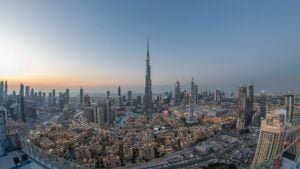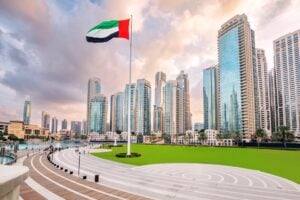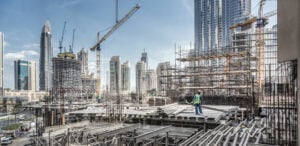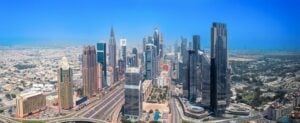

Dubai’s skyline is ever-evolving, but beneath the glass towers and urban buzz lies something far more powerful than architecture — infrastructure. Among Dubai’s many transformative projects, the Dubai Metro stands as one of the most significant game-changers shaping property values, investor sentiment, and neighborhood development.
But how strong is its impact really? Is the Metro simply a convenience, or is it a driving force behind Dubai real estate investment growth?
Let’s dive deep into how the expansion of Dubai’s Metro network is redefining the way investors look at property opportunities across the emirate.
The Metro’s Role in Dubai’s Urban Vision
When the Dubai Metro first launched in 2009, it wasn’t merely designed as a transportation system. It was a statement of intent — a key pillar in the vision of creating a smart, accessible, and globally competitive metropolis. Over the years, the Metro has linked traditional business centers with emerging districts, reducing travel time and significantly increasing mobility.
Today, the Red and Green Lines are lifelines that connect high-demand real estate zones such as Downtown Dubai, Business Bay, Dubai Marina, and Jumeirah Lake Towers (JLT). Each new Metro extension or station tends to open the door to fresh waves of real estate investment, sparking renewed interest in nearby residential and commercial developments.
For urban investors, this connectivity is gold. Proximity to the Metro isn’t just about convenience — it’s a tangible asset that directly translates into higher rental yields and capital appreciation.
Metro Proximity and Property Value: The Proven Connection
It’s no secret that real estate prices around public transport networks perform better than those in less connected areas. In Dubai, this is especially true. Studies and market analyses consistently show that properties within walking distance of a Metro station often command premium values.
Here’s how the Metro impacts Dubai real estate investment directly:
-
Increased Tenant Demand: For a growing urban population, especially professionals, the ability to commute quickly and affordably is a top priority. Apartments near Metro stations tend to enjoy higher occupancy rates and more stable rental returns.
-
Higher Capital Appreciation: The Metro injects confidence in long-term area development. Investors often see sustained growth in property values after station openings or line extensions.
-
Stronger Commercial Prospects: Businesses seek foot traffic and accessibility. Metro-linked retail and office spaces attract long-term tenants, boosting commercial property performance.
Take, for example, Dubai Marina and JLT. Before the Metro’s arrival, these were already popular waterfront communities, but accessibility through the Red Line elevated their appeal to both local and international investors. Today, they’re among Dubai’s most dynamic property micro-markets — and much of that success is linked to Metro connectivity.
The Ripple Effect: Growth Beyond the City Center
Dubai’s rapid growth once seemed confined to its glamorous central districts, but the Metro changed that trajectory. The Route 2020 expansion, which connects to the Expo City Dubai site and extends to communities like Discovery Gardens, The Gardens, and Dubai Investment Park, has transformed historically peripheral areas into new investment frontiers.
This expansion offers a valuable lesson for investors: infrastructure doesn’t just increase real estate value — it redistributes it. Neighborhoods once considered “too far” from the city’s commercial centers are now viable investment opportunities thanks to efficient Metro access.
For example:
-
Discovery Gardens: Once viewed as a budget-friendly option, its direct Metro connectivity through the Expo 2020 extension has elevated its value proposition. Investors are now witnessing improved rental demand and steady price growth.
-
Dubai South: With connectivity improving, the area is emerging as the next major real estate investment hotspot, particularly with its proximity to Al Maktoum International Airport and Expo City Dubai.
This ripple effect demonstrates Dubai’s consistent ability to turn infrastructure into opportunity — a hallmark of long-term sustainability in real estate.
Why Investors Prioritize Metro-Connected Projects
For seasoned and first-time investors alike, location has always been the golden rule of property success. In Dubai’s context, “location” increasingly translates to one specific trait — Metro connectivity.
Here’s why:
-
Predictable ROI Potential
Properties near the Metro attract repeat interest from both tenants and buyers. Investors can estimate rentability and price growth with higher confidence, reducing the uncertainty often associated with new developments. -
Sustainability and Lifestyle Appeal
Dubai’s growing ESG (Environmental, Social, and Governance) emphasis means sustainable living is becoming integral to investment decisions. The Metro supports this by offering a green commuting alternative that aligns with Dubai’s carbon reduction goals. -
Ease of Resale
Metro-linked properties are easier to resale because of their desirability and accessibility. Whether it’s a one-bedroom apartment in Business Bay or a mixed-use unit in JLT, Metro access remains a decisive factor for buyers. -
Catering to Expat Populations
Expats, who make up a large portion of Dubai’s workforce, consistently prefer Metro-connected communities due to affordability and convenience. For investors, that translates into lower vacancy risk and a steady rental income stream.
Metro Development as a Guide to Future Hotspots
If you want to forecast where the next wave of Dubai real estate investment growth will come from, follow the Metro map. Historically, each time the city’s transport lines extended, new property investment pockets emerged nearby.
Upcoming Metro-related developments worth watching include:
-
Blue Line Project: The upcoming Blue Line, connecting key areas such as Dubai Creek Harbour, Festival City, Dubai Silicon Oasis, and International City, is expected to create entirely new zones of investment activity.
-
Expo City Corridor: With Expo City transforming into a hub for innovation, sustainability, and tourism, the Metro extension in this corridor continues to attract mixed-use developments and investor attention.
-
Connectivity to Business Hubs: Planned expansions aim to integrate the Metro more deeply with key employment hubs, further strengthening the work-residence convenience that investors seek to capitalize on.
As a result, forward-thinking investors now use infrastructure planning as a research tool. A property near a proposed Metro station isn’t just high-potential — it’s future-proof.
The Data-Driven Investor’s Advantage
The Metro’s impact on property value can be quantified, too. Research from local property analysts and data firms shows that areas with Metro access typically experience price appreciation of 10–20% over time compared to similar neighborhoods without it. Rental yields also tend to hold higher averages.
Another key advantage for investors is liquidity. Metro-connected properties sell faster, attract international interest via platforms like Property Finder and Bayut, and remain resilient during slower market cycles.
That’s because the Metro acts as a risk buffer — even in market fluctuations, accessibility remains a non-negotiable factor for renters and buyers alike.
Bridging the Lifestyle-Work Divide
Dubai’s population continues to diversify and expand, with professionals seeking balanced lifestyles and shorter commutes. Properties near the Metro naturally support this urban rhythm — they reduce travel stress, increase leisure time, and attract people who prioritize convenience over car ownership.
This shift influences everything from urban design to development strategy. Developers now actively position projects near Metro stations to enhance market value. Brands such as Emaar, DAMAC, and Sobha integrate transport-oriented marketing into their campaigns, emphasizing “minutes from Metro” as a selling point.
In essence, the Metro isn’t just boosting Dubai real estate investment — it is redefining what lifestyle value means in the city’s property market.
The Future Outlook: Metro Expansion and Investor Confidence
Looking ahead, Dubai’s real estate narrative remains intertwined with its infrastructure evolution. The government’s long-term urban mobility plan envisions increased public transport usage, reduced congestion, and enhanced environmental performance. This sustained infrastructure expansion reassures both local and international investors that Dubai continues to evolve sustainably.
Upcoming Metro extensions and smart mobility integrations will likely:
-
Open access to emerging master planned communities
-
Improve last-mile connectivity through electric pods and autonomous transport
-
Enhance real estate liquidity by widening investment appeal
-
Strengthen long-term investor confidence in Dubai’s property sector
Combined with Dubai’s investor-friendly policies, such as extended residency visas and attractive tax frameworks, the Metro remains a cornerstone that amplifies every other pro-investment factor the city offers.
Metro Accessibility and Off-Plan Investment Strategy
Off-plan properties near existing or upcoming Metro stations are now considered some of the smartest plays in the Dubai real estate investment market. These projects often launch at lower entry prices but see accelerated appreciation once construction nears completion — particularly if a Metro line nearby is scheduled to open.
Developers are keenly aware of this dynamic. Marketing phrases like “Metro-connected luxury living” or “minutes from the Red Line” showcase that infrastructure proximity is now part of the brand identity of many projects. Investors who align their strategy with these transport milestones often enjoy substantial post-handover gains.
Popular off-plan investment areas benefitting from current and proposed Metro expansions include:
-
Dubai Creek Harbour
-
Dubai Silicon Oasis
-
Dubai Hills Estate
-
Dubai South
-
Meydan
These zones blend urban accessibility with future growth potential — a dream combination for modern investors.
Final Thoughts
So, is the Metro truly fueling Dubai real estate investment growth? The evidence strongly says yes — and not just through property pricing. The Metro has redefined how people choose where to live, where to work, and how investors forecast property demand.
From driving tenant demand to creating new urban communities, the Dubai Metro remains one of the most influential infrastructural forces shaping the emirate’s property future. Whether through direct appreciation of connected properties or strategic insight into emerging transit corridors, investors who understand the Metro’s impact are better positioned for long-term success.
In a city that never stops moving, one thing is certain: the tracks of the Metro are also the pathways of opportunity in Dubai real estate investment.