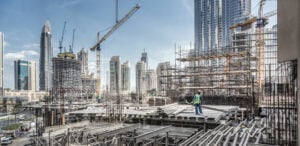

Dubai has long captured global attention for its glamorous skyline, ambitious architecture, and thriving economy. Investors from across the world have always had one question on their minds: Can Dubai real estate investment really guarantee ROI (Return on Investment)?
The short answer is — it can deliver robust returns, but “guaranteed”? That depends on how, where, and when you invest. Let’s explore the facts behind the city’s buzzing property scene to understand what drives its performance and what you should realistically expect.
Why Dubai Real Estate Investment Stands Out
Investing in property in Dubai isn’t just about owning a piece of luxury. It’s about tapping into one of the world’s most resilient and dynamic real estate markets. There are several reasons Dubai consistently draws global investors:
-
No property tax: Dubai’s zero property and income tax policy increases net returns for investors.
-
Long-term visas for investors: Real estate investment thresholds can qualify foreign investors for long-term residency.
-
High rental yields: Residential properties, especially in popular neighborhoods, often offer yields between 6%–9%, among the highest worldwide.
-
Steady population growth: With a thriving business environment, Dubai attracts thousands of new residents every year, ensuring continuous demand for rental housing.
-
Robust infrastructure: The city’s modern infrastructure, from public transport to luxury amenities, enhances property value over time.
Each of these factors boosts Dubai’s position as a stable and lucrative investment hub. But to assess whether your ROI is guaranteed, it’s vital to understand the mechanics of the market.
Understanding ROI in the Dubai Real Estate Market
ROI (Return on Investment) measures the profitability of your property. In simple terms:
ROI=Net ProfitTotal Investment×100ROI=Total InvestmentNet Profit×100
In Dubai, ROI stems from two primary sources:
-
Rental income – steady monthly returns from leasing your property.
-
Capital appreciation – profit made when property prices rise over time.
A property purchased in Dubai Marina or Downtown Dubai, for example, can yield around 7% annual rental income, whereas upcoming areas like Dubai South or Jumeirah Village Circle (JVC) may offer higher yields but with more varied appreciation timelines.
The Truth Behind “Guaranteed ROI”
While developers often advertise “guaranteed ROI” schemes — such as 8% returns over three years — investors should look deeper. These guarantees are usually developer-led marketing incentives intended to attract buyers during off-plan sales.
In most cases, developers calculate the guaranteed return based on estimated rental values and property prices at launch. This doesn’t necessarily reflect long-term market realities. Once the guarantee period ends, your returns depend on actual market performance.
In a mature, free-market economy like Dubai’s, returns fluctuate with demand, supply, global trends, and investor sentiment. No investment can be legally or practically “guaranteed,” but the right approach can secure consistently high returns.
Factors Influencing ROI in Dubai Real Estate Investment
-
Location:
Prime areas like Downtown Dubai, Dubai Marina, and Palm Jumeirah have strong rental demand and steady appreciation. However, emerging neighborhoods such as Business Bay or Al Furjan may offer better entry prices with comparable returns. -
Property Type:
-
Apartments have lower maintenance costs and faster rental turnover.
-
Villas attract long-term tenants and families seeking space and privacy.
Knowing your target tenant and their lifestyle preferences helps maximize returns.
-
-
Developer Reputation:
Investing in properties built by reputable developers such as Emaar, DAMAC, or Nakheel generally ensures quality construction, better resale value, and timely delivery. -
Market Timing:
Buying at pre-construction or launch phases can yield substantial appreciation by the time of handover. Conversely, entering at market peaks may limit short-term ROI. -
Economic Indicators:
Oil prices, tourism rates, and macroeconomic trends all influence the property sector. A resilient, diversified economy like Dubai’s, which reinvests heavily in non-oil sectors, helps cushion market volatility. -
Government Policies:
Investor-friendly regulations, transparency, and frequent reforms — like 100% foreign ownership — make Dubai a safer and more accessible market for international investors.
Real Estate Trends Driving Dubai’s Growth
Dubai’s property sector has experienced record-breaking growth since 2021. The upward momentum continued into 2025 and early 2026, driven by consistent foreign demand, migration of high-net-worth individuals, and strong tourism recovery.
According to market reports, off-plan sales now dominate over 50% of total transactions, signaling trust in long-term development projects. Meanwhile, established communities like Dubai Hills Estate and Meydan continue seeing rental prices surge by 10–15% annually, increasing ROI potential.
An interesting trend shaping the market is the rise of short-term rentals, powered by platforms such as Airbnb. Investors renting furnished apartments to holiday travelers often earn higher yields than traditional long-term rentals. Properties in tourist hotspots like Palm Jumeirah or Jumeirah Beach Residence (JBR) perform exceptionally well in this segment.
Risks to Consider Before Investing
No market offers indefinite growth without challenges. Understanding risks helps investors make informed decisions:
-
Market cycles: Property markets naturally move through expansion and correction phases. Dubai is no exception.
-
Speculative buying: Overreliance on quick gains can lead to overvaluation during boom phases.
-
Maintenance and service charges: Luxury properties often come with higher annual maintenance costs, which can impact net returns.
-
Vacancy risks: Changes in demand, oversupply in certain districts, or seasonal shifts in tenant preferences can reduce occupancy rates.
-
Currency fluctuations: For international investors, exchange-rate volatility can influence profits when converting earnings back to home currency.
Managing these risks requires clear strategy, professional advice, and realistic expectations.
Smart Strategies to Maximize ROI
Every successful Dubai real estate investment starts with careful planning. To strengthen your ROI prospects:
-
Research before buying: Study transaction trends, compare developer track records, and evaluate local rental yields.
-
Diversify your portfolio: Mix between off-plan and ready properties, or invest across high-demand and emerging areas.
-
Consider rental management services: Professional agencies can help secure tenants faster and ensure property care, especially for overseas investors.
-
Leverage financing wisely: Low-interest mortgage options can amplify returns when used prudently.
-
Stay informed: Track regulatory changes, visa reforms, and upcoming infrastructure projects that directly affect property values.
For example, areas connected to upcoming metro expansions or major projects like Dubai Expo City often see notable appreciation in the following years.
Comparing Dubai with Other Global Real Estate Hubs
When comparing Dubai’s ROI potential with cities like London, Singapore, or New York, several advantages stand out:
-
Higher annual yields: Dubai averages 6–9% returns, far above London’s 3% or New York’s 4%.
-
Low entry cost per square meter: Properties in Dubai remain more affordable relative to their luxury offerings.
-
Investor ease: Streamlined purchase processes and open ownership models empower global investors.
However, the absence of property tax doesn’t eliminate all costs — investors must pay service charges, maintenance fees, and transaction registration costs. Yet, even with these expenses, Dubai remains one of the top-performing global property markets.
How Off-Plan Properties Impact ROI
Off-plan (under-construction) properties represent a major share of Dubai’s real estate investment landscape. Developers often offer payment plans such as 60/40 or 70/30, allowing buyers to pay most of the cost post-handover.
Advantages of investing off-plan include:
-
Lower initial price compared to ready units.
-
Developer incentives — fee waivers, post-handover plans, or rental guarantees.
-
High appreciation once construction completes.
That said, investors must carefully vet developer reliability and project timelines. A delayed handover or unfulfilled promises can reduce returns. Proper due diligence ensures long-term success.
The Role of Data and Technology in Modern Investments
Smart investors increasingly rely on data analytics and AI-based insights to make decisions. By studying transaction histories, rental patterns, and price heat maps, you can pinpoint areas with optimal ROI potential.
Dubai’s open data platforms and government transparency initiatives (like the Dubai Land Department’s real-time price index) empower investors to make evidence-based decisions. Tech-driven real estate consultancies now use predictive modeling to forecast neighborhood growth, helping buyers identify hidden gems.
Investor Confidence: A Bright Outlook for 2026 and Beyond
Entering 2026, the Dubai real estate market reflects strong fundamentals, driven by:
-
Stable governance and consistent policy reforms.
-
Global investor confidence due to high transparency standards.
-
Continued demand from digital nomads and expatriates benefiting from flexible visa schemes.
-
Expansion of the luxury and eco-friendly property segments.
With major events, global business expansion, and ongoing infrastructure development, Dubai real estate investment continues to represent a strategic, profit-oriented choice for seasoned and new investors alike.
Final Verdict: Can ROI Be Guaranteed?
While no investment can ever be guaranteed, Dubai stands out as one of the few real estate markets where returns remain reliably strong across cycles. Factors like favorable regulations, tax exemptions, growing population, and global appeal create an environment where ROI is not just possible—it’s sustainable with the right approach.
So, can Dubai real estate investment really guarantee ROI? Not in the literal sense.
But can it deliver consistent, competitive, and enduring returns? Absolutely — provided you conduct proper research, invest strategically, and think long term.