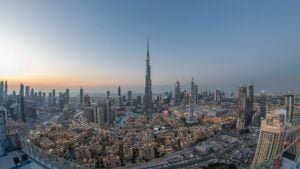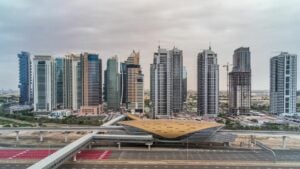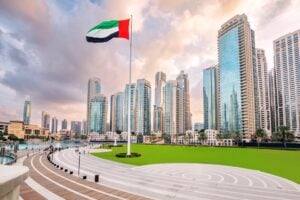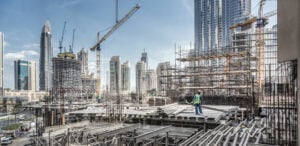

Dubai has long been a magnet for global investors, offering an extraordinary blend of luxury, innovation, and opportunity. From breathtaking skyscrapers to tax-free incentives, the city’s property market has consistently drawn attention. But as the emirate matures and regulations evolve, one key question arises: Can foreigners still profit from Dubai real estate investment in 2026?
The short answer: yes — and perhaps even more so than ever before. However, success today requires a strategic approach, an understanding of emerging market dynamics, and a clear vision aligned with Dubai’s ambitious economic transformation.
The Continuing Appeal of Dubai’s Property Market
In 2025, the Dubai real estate market recorded record-breaking sales — surpassing even the post-pandemic boom. This upward trajectory isn’t surprising. Dubai operates as a global hub connecting East and West, offering unmatched quality of life, strong infrastructure, and investor-friendly policies.
For global investors, Dubai stands out for several reasons:
- No property tax or capital gains tax. Investors enjoy nearly tax-free returns, allowing higher profit margins.
- Freehold property ownership rights. Foreigners can fully own properties in designated areas.
- High rental yields. Dubai’s average ROI ranges from 6% to 9%, outperforming markets like London or Singapore.
- Safe and secure investment environment. Strict property laws protect buyers and sellers equally.
Unlike traditional markets subject to heavy taxation and bureaucracy, Dubai Real Estate Investment remains accessible and efficient — particularly for those seeking transparency and long-term stability.
Why 2026 Could Be the Best Year for Foreign Investors
The market fundamentals entering 2026 remain robust. A growing population, government-backed infrastructure expansion, and Dubai’s continued status as a global business hub all contribute to sustained demand.
Mega Projects and Expo Legacy
The legacy of Expo 2020 Dubai continues to shape the market. Transformative developments such as District 2020 (now Expo City Dubai) and the upcoming Dubai Creek Harbour signal long-term economic growth. These areas offer attractive off-plan opportunities with expected appreciation once completed.
Strategic Infrastructure Growth
Dubai’s strategic location, airports, and world-class transport system boost investor confidence. Projects such as Dubai Harbour, Al Maktoum International Airport expansion, and Palm Jebel Ali’s revival will further enhance property values in surrounding communities.
Investor-Friendly Reforms
Recent regulatory changes make Dubai Real Estate Investment even more attractive. The Golden Visa program, reduced minimum investment requirements, and improved digital services for foreign buyers streamline ownership processes. These reforms have encouraged long-term investment rather than short-term speculation — contributing to a stable market environment.
Understanding Profit Potential: Beyond Capital Gains
Profitability in Dubai property isn’t just about buying low and selling high. The market provides several income avenues:
1. High Rental Yields
For investors purchasing in prime communities like Dubai Marina, Downtown Dubai, or Business Bay, rental yields between 7-9% remain achievable. Short-term rental platforms, especially for serviced apartments or holiday homes, amplify income potential.
2. Off-Plan Investment Opportunities
Developers such as Emaar, DAMAC, and Sobha continue to offer lucrative off-plan deals with flexible payment plans. Buying during early phases allows investors to secure properties below market value and benefit from appreciation upon handover.
3. Luxury and Branded Residences
The rise of branded real estate in Dubai — with projects by Armani, Bulgari, and One&Only — has created a niche market. These properties often command premium resale and rental rates, elevating profit margins for investors seeking exclusivity.
4. Diversified Neighbourhoods
Whether it’s family-friendly suburbs like Arabian Ranches, beachfront resorts like Emaar Beachfront, or futuristic communities like Dubai South, each area caters to a different investor profile. The city’s diversity ensures multiple investment strategies can succeed simultaneously.
Risks to Consider Before Investing
While the outlook is positive, investors must approach Dubai real estate investment with due diligence. Understanding risks helps in making sustainable profit decisions.
- Market fluctuations: The property market is cyclical. Monitoring supply and demand trends is crucial.
- Service charges: High-end communities may have maintenance costs that reduce net returns.
- Currency fluctuations: Investors earning in foreign currencies should account for AED conversion risks.
- Developer reliability: Always invest in reputable developers with a proven delivery record.
Foreign investors can mitigate risks through professional consultation, legal review of sales agreements, and verification of developer credentials via the Dubai Land Department
How Dubai’s Real Estate Regulations Protect Foreigners
Dubai has one of the most transparent property ecosystems in the region. The Dubai Land Department (DLD) and Real Estate Regulatory Agency (RERA) maintain a robust system ensuring investor protection and legal clarity.
Key protective measures include:
- Escrow accounts for off-plan projects: Developers must deposit investor funds in regulated escrow accounts until construction milestones are met.
- Title deed issuance through DLD: Guarantees ownership rights and property authenticity.
- Mandatory brokerage licensing: Only registered agents can legally facilitate property sales, reducing fraud risk.
- Digital transparency tools: Platforms like Dubai REST App provide real-time data on property transactions, enabling transparency for foreign investors.
Such initiatives have fostered global confidence, positioning Dubai as one of the safest real estate markets for international buyers.
Long-Term Vision: Dubai’s Plans Toward 2040
The Dubai 2040 Urban Master Plan envisions a sustainable, people-centric city focusing on green communities, public transport expansion, and innovative living. This roadmap emphasizes balance — ensuring that as Dubai grows vertically, it also grows sustainably.
Key takeaways for investors:
- Sustainability and smart living: Eco-friendly communities like The Sustainable City and Tilal Al Ghaf are attracting eco-conscious buyers.
- Economic diversification: Focus on tourism, technology, and finance reduces dependency on oil — ensuring resilience.
- Population growth forecast: Expected to reach over 6 million residents by 2040, maintaining strong housing demand.
Thus, Dubai real estate investment aligns with a long-term vision designed for generational growth — not just short-term gains.
The Role of Digital Transformation in Modern Investments
One of the latest trends shaping the investor experience is digital transformation. Dubai has embraced blockchain technology for property transactions, minimizing paperwork and processing time. Virtual property tours, smart contracts, and instant payment gateways are redefining how foreigners buy and manage assets remotely.
International buyers can now complete an entire property purchase online, from verification to title deed issuance, thanks to integrated digital platforms. This innovation makes real estate investment in Dubai easier and faster than almost anywhere else in the world.
Key Communities to Watch in 2026
Dubai’s real estate market is filled with high-performing areas that continue to deliver consistent returns. Some of the most promising investment hotspots include:
- Dubai Creek Harbour: Rising as the next Downtown, blending waterfront charm with urban sophistication.
- Emaar Beachfront: Offers premium seaside living with exceptional rental demand.
- Jumeirah Village Circle (JVC): Affordable yet high-yielding for mid-tier investors.
- Business Bay: Continues as the go-to destination for professionals and investors seeking centrality.
- Expo City Dubai: A sustainability model with futuristic innovation zones and commercial potential.
These communities represent varied entry points — from affordable investment apartments to luxury penthouses — enabling diverse investor portfolios.
The Power of Global Connectivity
Dubai’s competitive edge lies in its role as a global connector. With direct flights to nearly every major city, the emirate attracts expatriates, entrepreneurs, and digital nomads alike. As rental demand grows with increased relocation, investors benefit from a consistent tenant base.
Additionally, government-backed visas for property investors — including Golden Visas and retirement residency options — strengthen the city’s appeal as a second-home destination. Owning property in Dubai is no longer just about profit; it’s about access to a global lifestyle.
A Comparison with Other Global Real Estate Markets
When compared with global cities like London, Hong Kong, or New York, Dubai delivers far greater value per square foot. With no annual property tax, fixed foreign ownership rights, and rental yields often double those of Western cities, the ROI on Dubai real estate investment becomes highly compelling.
Moreover, Dubai properties appreciate steadily without the volatility seen in many global metropolises impacted by political uncertainty or high taxation. This predictability makes Dubai a strategic choice for investors seeking both profit and preservation of capital.
Final Thoughts: Can Foreigners Still Profit?
Absolutely. The combination of transparency, technological innovation, and investor-friendly regulation puts Dubai in a league of its own. The profitability of Dubai real estate investment depends on understanding timing, location, and long-term objectives — but the fundamentals remain exceptional.
Whether you’re purchasing an apartment in Downtown Dubai, a villa in Palm Jumeirah, or an off-plan unit in Expo City, foreign investors continue to enjoy both stability and profitability. With Dubai’s economy projected to keep expanding, 2026 stands as one of the best times yet to invest.