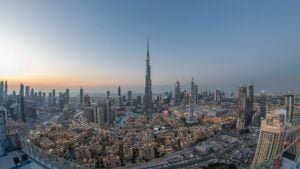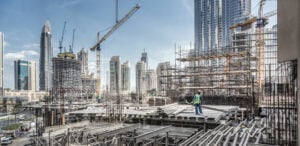

For decades, Dubai real estate investment has been associated with growth, opportunity, and resilience. As the city matures and new regulations reshape the property landscape, many investors are now asking an important question: Do long-term investment strategies in Dubai still pay off?
The answer remains yes—long-term strategies can still deliver strong returns. However, success today depends far more on planning, data, and location than on speculation or quick flips. Investors who understand Dubai’s evolution into a structured, sustainable, and globally attractive market are the ones seeing the most consistent results.
Why Dubai Still Rewards Long-Term Investors
Dubai has transitioned from an emerging real estate hotspot into a more mature, regulated environment. This shift benefits investors who think in timelines of 8–15 years rather than 8–15 months.
Key reasons long-term Dubai real estate investment still works include:
-
A growing, diversified economy supported by tourism, trade, technology, and finance.
-
Continuous population growth driven by professionals, entrepreneurs, and long-term residents.
-
Major infrastructure and community developments that enhance lifestyle and property value.
This combination helps create a more stable environment where buy-and-hold investors can ride out short-term volatility while capturing long-term capital appreciation and rental income.
The Power of Infrastructure and Urban Planning
One of the strongest drivers of long-term value in Dubai is its ongoing investment in infrastructure and urban planning. When the city commits to expanding transport, business hubs, and lifestyle communities, surrounding properties tend to benefit over time.
Some examples of this long-term value creation include:
-
New and expanding communities anchored by schools, malls, clinics, and parks.
-
Connectivity improvements such as metro extensions and major road upgrades that make previously “far” areas more accessible.
-
Master-planned developments where residential, retail, leisure, and green spaces are integrated for long-term livability.
For long-term investors, buying into areas that are early in their development cycle—but already backed by strong master plans—can result in significant appreciation over a 10–15 year horizon.
Rental Yields and Long-Term Cash Flow
Rental income remains a core reason many investors favor Dubai real estate investment. Well-selected properties can offer healthy rental yields while benefiting from a tax-efficient environment, especially when held over the long term.
A sustainable long-term strategy focuses on:
-
Choosing communities with strong tenant demand such as family-friendly areas, central business hubs, or popular lifestyle communities.
-
Prioritizing units with layouts and sizes that appeal to the widest group of tenants, not just niche segments.
-
Maintaining the property well and updating interiors when necessary to remain competitive.
By combining steady rental income with disciplined holding periods, investors can generate consistent cash flow while allowing time for the property’s value to grow.
How Dubai’s Demographics Support Long-Term Demand
Dubai continues to attract a mix of professionals, business owners, remote workers, and high-net-worth individuals who are not just visiting—but choosing to live and base their businesses here. This demographic shift has a direct impact on real estate demand.
Key demographic trends supporting long-term investment include:
-
More residents choosing to stay long term thanks to flexible residency and visa options.
-
Families seeking stable, amenity-rich communities close to schools and services.
-
Young professionals and entrepreneurs renting well-located apartments near work, lifestyle destinations, and transport links.
These evolving demographics reduce the risk of prolonged vacancies and help support both rental rates and sales prices over time, especially in well-planned communities.
Capital Appreciation Over Full Market Cycles
While short-term price movements can fluctuate, long-term investors focus on what happens across complete market cycles. In Dubai, those who held quality assets through ups and downs have often seen substantial capital appreciation over the years.
Long-term capital growth is typically supported by:
-
Limited prime land in certain high-demand areas.
-
Ongoing upgrades to communities that increase their desirability.
-
Rising replacement costs for new developments, which help support the value of existing stock.
Rather than trying to time the exact bottom or peak, long-term investors benefit by entering at reasonable prices, holding through cycles, and allowing both rental income and capital growth to compound.
From Speculation to Strategy
In the early days of Dubai real estate investment, many buyers relied on rapid off-plan flipping and speculative gains. Today, the market rewards more strategic, research-driven approaches.
Modern long-term investors typically:
-
Analyze community-level data such as occupancy rates, future supply, upcoming infrastructure, and resident profiles.
-
Balance between off-plan projects from reputable developers and ready properties in established communities.
-
Consider long-term livability factors like walkability, greenery, schools, and access to retail and leisure.
This shift from speculation to structured strategy is one of the main reasons long-term investing continues to pay off, especially for those treating property as a business rather than a quick trade.
Key Long-Term Strategies for Dubai Investors
For investors looking to refine or design a long-term plan, several practical strategies stand out:
-
Focus on master-planned communities
Look for projects where residential units are supported by lifestyle amenities, green spaces, and community facilities, not isolated buildings with limited infrastructure. -
Align property type with tenant profile
Think about who will realistically live or rent in the property: young professionals, families, executives, or students. Select property size, layout, and location accordingly to minimize vacancy. -
Use off-plan carefully and selectively
Off-plan can be powerful for long-term investors when tied to trusted developers, realistic handover timelines, and fair pricing. The goal is not just to gain on handover, but to hold a high-quality asset after completion. -
Plan for maintenance and upgrades
Long-term Dubai real estate investment is not passive. Budgeting for periodic maintenance, minor renovations, and furnishing updates helps keep the property in demand and protects long-term value. -
Revisit rental strategy regularly
Markets evolve. Reviewing rent levels, lease structures, and marketing tactics each year can help maintain a strong yield and attract better tenants over time.
Policy and Regulation as Long-Term Support
Dubai’s regulatory environment has become more transparent and structured over the years, which is beneficial for long-term investors seeking clarity and security.
Important supportive trends include:
-
Enhanced oversight and registration of projects to protect buyers and improve delivery confidence.
-
Digitalization of many real estate processes, making ownership, transfer, and documentation smoother and more efficient.
-
Policies aiming to attract long-term residents and investors, which indirectly support housing demand.
These elements reduce uncertainty and help long-term investors plan more confidently, knowing that the ecosystem is designed with both residents and investors in mind.
When Long-Term Investment May Not Be Ideal
Even though long-term strategies can be powerful, they are not automatically right for everyone. In some situations, caution is essential.
Long-term Dubai real estate investment may be less suitable when:
-
The investor needs quick liquidity and cannot commit to a multi-year horizon.
-
The purchase decision is driven purely by emotion or fear of missing out, without market research.
-
The selected property lacks clear demand drivers such as good access, amenities, or a realistic target tenant.
Understanding these limitations helps filter out unsuitable deals and ensures that when investors do commit long term, they do it with clarity and purpose.
Do Long-Term Strategies Still Pay Off?
Looking at how Dubai has grown—and continues to evolve—the case for long-term investing is still compelling. Investors who prioritize location, community quality, realistic rental yields, and patient holding periods are being rewarded with both income and capital growth.
In a market that keeps developing in line with broader economic and urban plans, Dubai real estate investment remains a strong long-term wealth-building tool for those who approach it strategically rather than speculatively.
For investors willing to think in years instead of months, align with the right communities, and actively manage their assets, long-term property ownership in Dubai can still very much pay off.