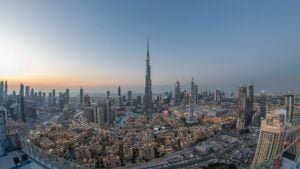

Dubai’s property market has long been a magnet for global investors seeking high returns, luxury lifestyle, and long-term growth. From the futuristic skyline of Downtown Dubai to the serene waterfronts of Palm Jumeirah, real estate here seems like an easy win. Yet, the harsh truth is this: most investors lose money in Dubai real estate investment not because the market is bad—but because they ignore a few critical fundamentals.
Let’s break down the three biggest mistakes that silently drain potential profit from eager investors—and how to avoid them.
1. Ignoring Market Cycles and Timing
The first major pitfall? Entering the market without understanding Dubai’s real estate cycle.
Just like any global property hub, Dubai’s market moves through distinct phases—expansion, peak, correction, and recovery. Successful investors know where the market stands within that cycle before locking in a deal.
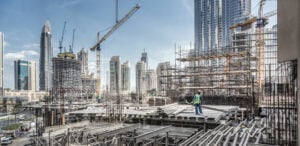
During an expansion phase, prices climb steadily, rental yields are strong, and off-plan projects boom. However, entering the market at its peak—when prices are inflated and supply is abundant—can lead to losses once the cycle shifts downward. Many new investors panic during this phase and sell off assets too early, solidifying their losses rather than waiting for recovery.
Understanding market timing can be the difference between doubling your money or watching it disappear.
How to fix it:
-
Track quarterly data from credible agencies like the Dubai Land Department (DLD).
-
Follow developer launches and construction trends to gauge supply and demand balance.
-
Study interest rate changes and global economic indicators that influence buyer sentiment.
-
Work with local market experts who analyze property cycles, such as Trusted Dubai Property Consultants.
Insider tip:
Dubai’s market cycle historically lasts 6–8 years, with mini-corrections in between. By strategically investing during the low or recovery phase, investors can maximize capital growth once demand rebounds.
2. Overlooking Real Return on Investment (ROI)
Many investors fixate on glossy marketing brochures that promise “guaranteed 10% returns” without digging deeper. This is where the second silent killer comes in—ignoring the actual net ROI.
Gross ROI might sound great on paper, but it often excludes hidden costs such as:
-
Annual service charges
-
Maintenance and repairs
-
Agency and management fees
-
Vacancy periods
-
Currency exchange fluctuations
After these costs, a 10% gross yield can quickly shrink to a 4-6% net yield—or even less. Without factoring these details, investors end up overstating returns and underestimating risks.
How to calculate a realistic ROI:
Use this formula:
ROI=Net Annual IncomeTotal Investment Cost×100ROI=Total Investment CostNet Annual Income×100
For example, if you earn AED 100,000 in annual rent but pay AED 30,000 in expenses, your true net ROI is 7%, not 10%.
Reliable investors always account for service charges and occupancy rates before signing. They know that the quality of property management directly affects financial performance.
Pro tip:
Prioritize locations where short-term rental demand is rising—such as Business Bay, Dubai Marina, and Downtown. These areas have consistent tenant turnover, reducing long vacancies and boosting rental yield stability.
3. Underestimating Legal and Ownership Structures
The third mistake—often the costliest—is ignoring the legal framework and ownership regulations in Dubai. While the city offers transparent laws that protect investors, missteps in due diligence or documentation can result in disputes, delayed transfers, or financial loss.
Common legal oversights:
-
Buying off-plan units from unregistered developers.
-
Not verifying escrow accounts with the Dubai Land Department.
-
Misunderstanding ownership rights as a foreign investor.
-
Signing contracts without RERA verification.
Dubai operates under real estate laws approved by RERA (Real Estate Regulatory Agency) and DLD. These institutions ensure transparent transactions, but investors must stay compliant. Always confirm that:
-
The developer and project are officially registered.
-
The payment plan corresponds to construction milestones.
-
All fees (registration, Oqood, agency) are clearly written in the contract.
For full ownership rights, foreigners should focus on freehold zones like Dubai Marina, Jumeirah Lakes Towers, or Downtown Dubai, where property titles can be registered in the buyer’s name.
Visit Dubai Land Department Official Portal for detailed ownership guidelines before making any payment.
Bonus insight:
Professional legal support isn’t a luxury—it’s a safeguard. Partnering with a certified conveyancing lawyer ensures your transactions comply with Dubai’s latest property laws, protecting your capital from unexpected risks.
The Psychological Factor Few Discuss
Beyond the obvious financial mistakes, many investors lose money due to emotional decision-making. Real estate investment is about strategy, not speed. Following social media hype or buying impulsively from developers who promise unrealistically high returns often leads to regret.
Successful investors treat each purchase like a business transaction:
-
They analyze numbers instead of chasing trends.
-
They plan for potential downturns.
-
They diversify across property types (villas, apartments, off-plan).
Remember: emotion drives prices up, but logic builds wealth.
If you’re in it for the long term, focus on neighborhoods with sustainable development, infrastructure enhancement, and tourism appeal. Look into areas connected to major projects like the Dubai Creek Harbour or Expo City Dubai—future-ready zones that will likely outperform during the next growth cycle.
Long-Term Vision: The Real Path to Profit
The most successful investors in Dubai real estate investment don’t just flip units—they build portfolios. They understand that real wealth compounds through rental income, capital appreciation, and reinvestment strategies.
A smart investor:
-
Diversifies across freehold areas and property types.
-
Reinvests rental income instead of liquidating.
-
Avoids short-term speculation during volatile phases.
-
Takes advantage of Dubai’s favorable tax environment.
Real estate wealth in Dubai grows through patience, timing, and research. Those who master these three find themselves at the top of the game while others are left wondering why their returns fell short.
Why Dubai Still Wins Despite Investor Mistakes
Despite the pitfalls, Dubai remains one of the world’s most resilient and profitable real estate markets. Its combination of strategic location, booming tourism, world-class infrastructure, and investor-friendly policies continues to attract global capital.
The city’s no-income-tax model, evolving regulatory frameworks, and rapid economic diversification make it a haven for those seeking both growth and stability. Even after market corrections, property values in prime districts eventually rebound, rewarding investors who held their ground during downturns.
Key takeaway:
Dubai rewards strategic patience. Investors who respect the market’s rhythm, calculate real ROI, and secure their legal footing are far more likely to thrive than those who chase instant gains.
Final Thoughts
Every year, countless investors enter Dubai’s property market chasing high yields, only to step away disappointed. They lose money not because Dubai failed them—but because they ignored the fundamentals that define success.
To recap, avoid these three costly mistakes:
-
Ignoring market cycles and timing your entry poorly.
-
Overlooking the real (not advertised) return on investment.
-
Underestimating legal and ownership requirements.
When you address these factors, Dubai transforms from a high-risk venture into a long-term wealth engine.