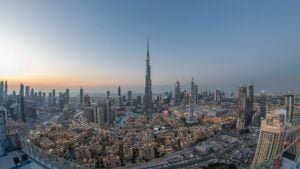

Dubai’s skyline has long symbolized ambition — where grand architectural visions rise from the desert sands and global investors converge to claim a piece of one of the world’s most dynamic property markets. As the city continues to attract millions of tourists each year, the synergy between tourism and real estate becomes increasingly significant. Understanding how these two sectors influence one another reveals not only Dubai’s unique economic structure but also the direction of future houses for sale in Dubai opportunities.
Dubai’s Tourism Magnet: A World-Class Destination
Dubai is no stranger to the global spotlight. With year-round sunshine, luxury shopping destinations, pristine beaches, and record-breaking projects like the Burj Khalifa and Palm Jumeirah, it consistently ranks among the world’s most visited cities.
The Emirates’ government has strategically positioned Dubai as a premier tourism and investment hub through initiatives like Expo 2020, Dubai Tourism Vision 2025, and smart city initiatives. According to consistent visitor growth data from tourism authorities, Dubai attracts over 15 million international visitors annually, putting it on par with Paris and London in tourism statistics.
But while tourists come for leisure, many leave with a lasting impression — and often, real estate ambitions. The more time visitors spend in Dubai’s luxury neighborhoods, the more they view property ownership here as a tangible lifestyle upgrade rather than just an investment.
How Tourism Drives Demand in the Real Estate Sector
The direct link between Dubai’s thriving tourism industry and the surge in real estate demand is undeniable. Here’s how tourism directly influences the property market:
- Increased Short-Term Rental Opportunities
With Dubai welcoming millions of tourists annually, there’s a continuous demand for short-term rentals. Investors buying houses for sale in Dubai can leverage this by converting their properties into furnished vacation homes or Airbnb-style rentals, achieving substantial returns on investment. - Foreign Investor Attraction
Tourists often begin as visitors but return as investors. Many high-net-worth individuals from Europe, Asia, and the Middle East have transitioned from luxury tourists to property owners, particularly in upscale areas like Downtown Dubai, Dubai Marina, and Palm Jumeirah. - Infrastructure and Amenities Growth
A thriving tourism sector pushes for better infrastructure — from airports and public transportation to malls and entertainment hubs. These enhancements indirectly raise property values, especially near hotspot districts. - Branding Dubai as a Global Lifestyle Destination
The tourism-focused branding of Dubai as a place of luxury, safety, and opportunity elevates its global real estate appeal. Whether it’s a beachfront mansion or an apartment with a Burj Khalifa view, buyers aren’t just purchasing property — they’re investing in a lifestyle.
Key Real Estate Hotspots Shaped by Tourism
Dubai’s tourism-driven development has reshaped property demand, pushing certain neighborhoods into international fame. Here’s a look at prominent districts strongly influenced by tourism:
- Downtown Dubai: Home to the Burj Khalifa and Dubai Mall, this area consistently attracts investors looking for short-term rental units that cater to luxury tourists.
- Palm Jumeirah: The artificial island remains a global icon — visitors who experience its private beaches and opulent villas often return to buy property.
- Dubai Marina: Popular with tourists for its waterfront dining and nightlife scene, it attracts both long-term residents and short-term tenants, keeping property demand high.
- Business Bay: Proximity to Downtown Dubai and robust urban infrastructure make it appealing for investors focused on a balance between residential and business convenience.
For anyone exploring houses for sale in Dubai, these areas combine not just strong tourism appeal but also consistent rental yields.
Post-Pandemic Recovery and Its Influence
The COVID-19 pandemic disrupted global tourism, but Dubai’s swift policy responses and reopening strategies helped it rebound quickly. The city’s early adoption of digital vaccination certificates, safe travel corridors, and large-scale events like Expo 2020 reignited both tourism inflows and real estate confidence.
The revival of international tourism led to a visible increase in foreign property transactions. According to recent market analyses, foreign buyers accounted for more than 45% of property sales in the years following 2022. Many of these are second homeowners seeking lifestyle properties or income-generating investments.
The Luxury Homes Segment: Where Tourism Meets Prestige
Tourism in Dubai isn’t mass-market — it’s aspirational. The influx of affluent travelers leads directly to heightened interest in the luxury real estate segment, driving demand for premium apartments, villas, and penthouses.
Developers have responded with exclusive enclaves such as Emirates Hills, Jumeirah Bay Island, and District One, offering ultra-luxurious properties that merge architectural beauty with world-class amenities. The appeal of branded residences — like the Armani Residences or The Royal Atlantis — further demonstrates how tourism’s prestige segment overlaps with real estate aspirations.
Foreign investors exploring houses for sale in Dubai often favor these high-value properties for their blend of profitability, security, and global prestige.
Government Initiatives Supporting Real Estate-Tourism Synergy
Dubai’s strategic vision has always intertwined tourism with real estate innovation. The government continues to introduce policies that encourage both sectors’ growth in tandem:
- Golden Visa Program: Offers long-term residency for property investors, making real estate purchases more attractive to foreigners.
- Retirement Visa: Allows retirees who purchase property in Dubai to live in the emirate long-term, attracting global retirees seeking sun and safety.
- Relaxation of Foreign Ownership Laws: Expanding freehold areas and easing investment requirements have further encouraged international buyers.
- Sustainability Projects: Eco-tourism and green community initiatives (like Dubai Sustainable City) appeal to modern buyers seeking environmentally conscious investments.
Through these policies, tourists can transition seamlessly into property owners — boosting both market depth and diversity.
The Rise of Digital Real Estate Interest
As tourism digitizes, real estate marketing follows suit. Online property viewings, virtual tours, and digital property marketplaces have revolutionized how tourists explore houses for sale in Dubai even before arriving in the city.
Social media influencers and travel vloggers showcasing glamorous Dubai lifestyles encourage further inquiries from international tourists fascinated by the idea of living in the UAE. High-quality digital content has become the bridge between “visitor curiosity” and “buyer commitment.”
The Short-Term Rental Boom
The rise of short-term holiday rentals is one of the most striking outcomes of Dubai’s tourism impact on real estate. Many investors purchase properties specifically for tourist accommodation, thanks to Dubai’s flexible rental regulations.
- High ROI: Short-term rentals can generate up to 11% annual returns in high-demand areas.
- Smart Management: Tech-driven property management services make it easy for investors to oversee rentals remotely.
- Flexible Leases: Property owners can switch between long-term and short-term rentals based on market conditions.
The continuous tourist footfall ensures steady demand for vacation housing, which keeps property occupancy levels high and return on investment strong.
Tourism-Real Estate Interdependence: A Growth Cycle
Dubai’s economy thrives on a well-balanced cycle — tourism enhances real estate demand, while property developments strengthen tourism infrastructure. The city’s mega-projects often serve both sectors simultaneously.
For instance:
- Dubai Creek Harbour attracts visitors and investors alike with its waterfront design and real estate appeal.
- Bluewaters Island, featuring Ain Dubai, merges tourism with premium residential living spaces.
- Expo City Dubai, evolving from the Expo 2020 site, now serves as both a tourist attraction and sustainable residential hub.
Each project further establishes Dubai as a global “live, work, and play” destination, enriching real estate value through enhanced lifestyle offerings.
Market Outlook: The Future of Dubai Real Estate and Tourism
As global tourism trends evolve toward experiential and luxury travel, Dubai remains uniquely positioned to capitalize. Over the next decade, several trends will shape the future of houses for sale in Dubai:
- Increased Interest from Digital Nomads — Dubai’s remote work-friendly visa encourages digital professionals to stay long-term and invest in property.
- Diversifying Property Options — Townhouses, eco-communities, and co-living spaces are emerging alongside traditional villas and apartments.
- Sustainable Living Initiatives — Demand for green, energy-efficient homes is growing as Dubai aligns with global sustainability goals.
- Ongoing Tourism Expansion — The upcoming Dubai Urban Plan 2040 ensures continued integration between leisure, residential, and business zones.
Investors should expect continued price appreciation, especially in areas closely connected to tourism infrastructure.
Why Investing in Dubai Real Estate Now Makes Sense
With tourism anchoring economic growth, government incentives making property ownership easier, and digital innovation transforming real estate transactions, there has never been a better time to invest in houses for sale in Dubai.
Property buyers benefit from:
- Zero property tax.
- Transparent real estate regulations.
- Globally strong rental yields.
- Persistent capital growth backed by continued international interest.
Dubai’s status as a global crossroads of trade, travel, and technology ensures a sustained upward trajectory for both its tourism and housing industries.