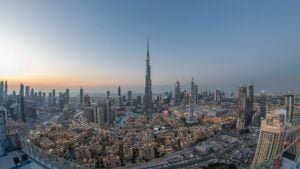

For decades, investors have debated whether real estate or stocks offer better long-term growth. This question becomes even more intriguing when we narrow it down to one of the world’s most dynamic property markets — Dubai real estate investment.
Dubai has evolved from a desert city into a global financial hub, attracting investors with tax-free advantages, high rental yields, and government-backed infrastructure projects. But how does this compare to traditional stock market investments?
In this blog, we’ll explore both sides, helping you decide whether investing in Dubai real estate is truly a better option than putting your money into stocks.
The Appeal of Dubai Real Estate Investment
Over the past two decades, Dubai’s real estate sector has become one of the most attractive destinations for global investors. From luxury villas on
Palm Jumeirah to modern apartments in Downtown Dubai, the options are diverse and built around a lifestyle appeal that leads the world.
Here’s why Dubai real estate investment has been such a strong contender for wealth growth:
1. High Rental Yields
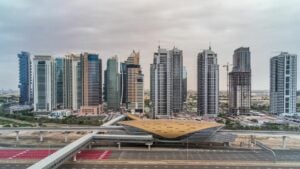
Dubai consistently offers some of the highest rental yields worldwide, often ranging between 6% and 9%. This outpaces cities like London, New York, and Singapore. For example, areas such as Dubai Marina and Business Bay remain favourites among investors due to their strong occupancy rates and stable demand.
2. Zero Property and Capital Gains Tax
One of Dubai’s biggest draws is its tax-free environment. Investors don’t pay property taxes, capital gains taxes, or inheritance taxes on real estate — making it an appealing option for those seeking clean returns without heavy deductions.
3. Currency Stability and Global Appeal
Because the UAE dirham (AED) is pegged to the US dollar, investors benefit from currency stability — a rare advantage in volatile global markets. This also means that foreign investors find Dubai more reliable compared to markets with fluctuating currencies.
4. Government Support and Regulation
Initiatives like the Golden Visa program and Ejari registration system boost investor confidence. The government has also implemented stricter real estate laws and introduced digital platforms for safe property transactions.
5. Rapid Infrastructure Growth
Dubai continues to evolve, with real estate tied closely to large-scale government projects — from new metro lines and coastal developments to tech hubs like Dubai South. Whenever Dubai innovates, property values benefit.
The Case for Stock Market Investments
Stocks have long been the cornerstone of diversified portfolios. They provide investors liquidity, flexibility, and opportunity for compounding through reinvested dividends. Let’s explore how they stack up against Dubai’s property market.
1. Liquidity and Accessibility
Unlike property, stocks can be bought or sold almost instantly. The lower entry barrier allows investors to start with small amounts, while real estate requires significant upfront capital and ongoing maintenance.
2. Diversification
With stocks, you can diversify across industries and regions. A well-balanced portfolio in sectors like tech, healthcare, and finance can hedge against risk better than a single property portfolio concentrated in one location.
3. Passive Income Through Dividends
Investors in blue-chip stocks or index funds receive dividends regularly, which can serve as a consistent income stream. While rental yields offer similar benefits, property management and tenancy risks make it less passive.
4. Global Market Access
Stock investors are not confined by geography. Through online trading platforms, one can invest in companies listed across the US, Europe, or Asia without dealing with physical assets or local regulations.
Comparing Dubai Real Estate Investment vs. Stocks
To determine which is better, it’s important to look at both from the standpoint of returns, risk, and long-term value.
| Criteria | Dubai Real Estate Investment | Stock Market Investment |
| Annual Return Potential | 6%–10% (including rental income and appreciation) | 7%–10% (depending on index performance) |
| Liquidity | Low – takes time to sell a property | High – can buy/sell in minutes |
| Volatility | Lower long-term volatility | Higher short-term volatility |
| Tangibility | Physical asset, visible and usable | Intangible financial asset |
| Tax Benefits (in Dubai) | No property or capital gains tax | Varies by country |
| Entry Cost | High (property down payment, fees) | Low (buy with minimal investment) |
| Passive Management | Requires maintenance and tenant oversight | Can be automated |
| Currency Risk | Minimal due to AED-USD peg | Exposed to forex movements |
Both have their strengths, but Dubai real estate investment stands out for those seeking steady income, tangible assets, and a favorable legal environment for foreigners.
Risk Factors to Consider in Dubai Real Estate
Every investment carries risk, and real estate is no exception. Understanding the challenges helps investors make informed decisions.
1. Market Fluctuations
While Dubai’s property market has matured, certain off-plan or emerging areas can experience volatility due to supply imbalances. Monitoring areas with strong demand fundamentals is crucial before buying.
2. Maintenance and Service Charges
Owning property means recurring costs — from maintenance to community fees. Over time, these can affect your net yield if not factored into your cost analysis.
3. Liquidity Challenges
Unlike stocks, selling property can take weeks or months. Investors need to maintain an emergency fund for liquidity to avoid selling during a downturn.
4. Regulatory and Legal Factors
Buying through reputable developers and following all registration steps via Dubai Land Department (DLD) ensures security, but investors must still stay aware of evolving rules and requirements.
What Makes Dubai’s Market Unique?
Dubai’s real estate environment is unlike any other global market. Here’s what sets it apart:
- Investor-Friendly Rules: Foreigners can own property outright in freehold zones.
- World-Class Infrastructure: Fully integrated districts such as Dubai Creek Harbour and Jumeirah Village Circle (JVC) attract consistent demand.
- Safety and Quality of Life: Dubai often ranks among the safest cities worldwide, enhancing its appeal for long-term residents and tenants.
- Expo 2020 and Beyond: The event catalyzed massive real estate expansion, much of which continues with projects around Dubai South and Expo City Dubai, ensuring sustained interest.
These factors collectively boost both short- and long-term prospects for Dubai real estate investment.
How to Start with Dubai Real Estate Investment
If you’re considering entering this market, a strategic approach can go a long way:
- Choose the Right Area
Ideally, start with established communities like Downtown Dubai, Dubai Marina, or Jumeirah Beach Residence (JBR) — all known for stable tenant demand. - Work With Licensed Agents
Ensure that agents are RERA-certified to guarantee transparent transactions. - Consider the Rental Market
Check average occupancy rates and rental yields before buying. Properties close to metros, schools, and commercial hubs tend to perform better. - Think Long-Term
Focus on capital appreciation potential in new projects, especially those connected to infrastructure or business expansions like Dubai Silicon Oasis or Arjan. - Explore Off-Plan Projects Wisely
Developers like Emaar, DAMAC, and Sobha often offer flexible payment plans — beneficial for new investors. However, choose trusted names to minimize delivery risk.
Real Estate as a Hedge Against Inflation
In times of market uncertainty or high inflation, tangible assets like real estate tend to retain value. Dubai’s property prices, supported by strong rental demand and limited land supply in premium areas, provide a natural hedge against inflation.
Meanwhile, stock portfolios can fluctuate drastically in high-volatility periods, especially when global macroeconomic pressures arise. For investors looking for security and predictability, real estate offers a stronger sense of control and confidence.
Should You Choose Both?
Diversification is key in modern investing. You don’t have to choose only one — combining Dubai real estate investment with a stock portfolio provides balance.
Here’s how that might look:
- Primary Stability: Real estate provides steady cash flow via rents.
- Growth Potential: Stocks offer compounding returns and liquidity.
- Portfolio Hedge: When one market underperforms, the other can stabilize total returns.
This blended approach ensures that investors enjoy consistent income from Dubai’s property sector while benefiting from global market growth through equities.
The Bottom Line
So, is Dubai real estate investment better than stocks? It depends on your financial goals, risk tolerance, and time horizon.
If you prefer tangible assets, stable returns, and exposure to one of the world’s most progressive economies, Dubai’s property market offers unmatched opportunities. The absence of property taxes, robust rental yields, and visionary city planning all work in its favour.
However, if you value liquidity, flexibility, and easy diversification, stocks might better align with your goals.
Many smart investors today blend both — using real estate for wealth preservation and stocks for capital growth.
Ultimately, the best choice isn’t just about numbers; it’s about aligning your investment strategy with your lifestyle, risk appetite, and vision for the future.
Whether through high-rise apartments overlooking Burj Khalifa or a carefully selected tech stock portfolio, the path to financial freedom starts with knowledge, not guesswork — and Dubai continues to prove that opportunity favors the bold.